
Bulk Buying Guide
In fall 2025, Future Roots hosted the first annual Root Sellers, welcoming more than 400 people to The Sage School campus in Hailey to celebrate local food and stock up for winter. Farmers brought bulk storage crops, families joined preservation workshops, and kids connected with our regional food system.
The goal was simple: help our community eat locally year-round. Here are a few ways you can extend the season at home—and join us Saturday, November 7 at The Sage School for the second annual Root Sellers.
Buy Meat in Bulk
We’re lucky to have a wide selection of Idaho-raised animal proteins here in the Wood River Valley. Filling a freezer with locally sourced meat can be more cost-effective than buying at the market and you’ll be getting the highest quality, best tasting product available. A helpful hint: 20 pounds of frozen meat take up about one cubic foot of freezer space. For a family of four, consider a half beef (approximately 250 pounds or 12.5 cubic feet of freezer space).
Store the Harvest
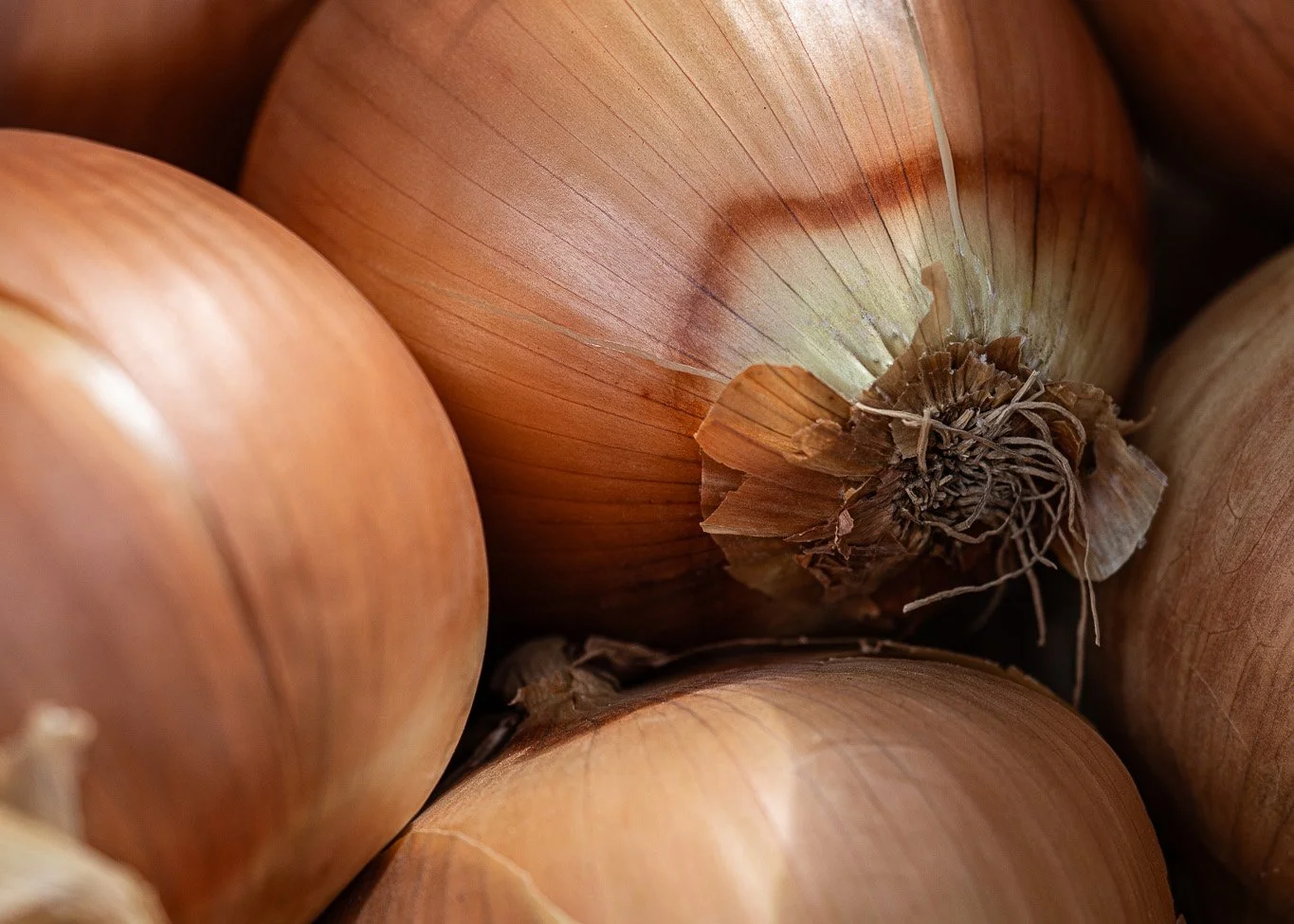
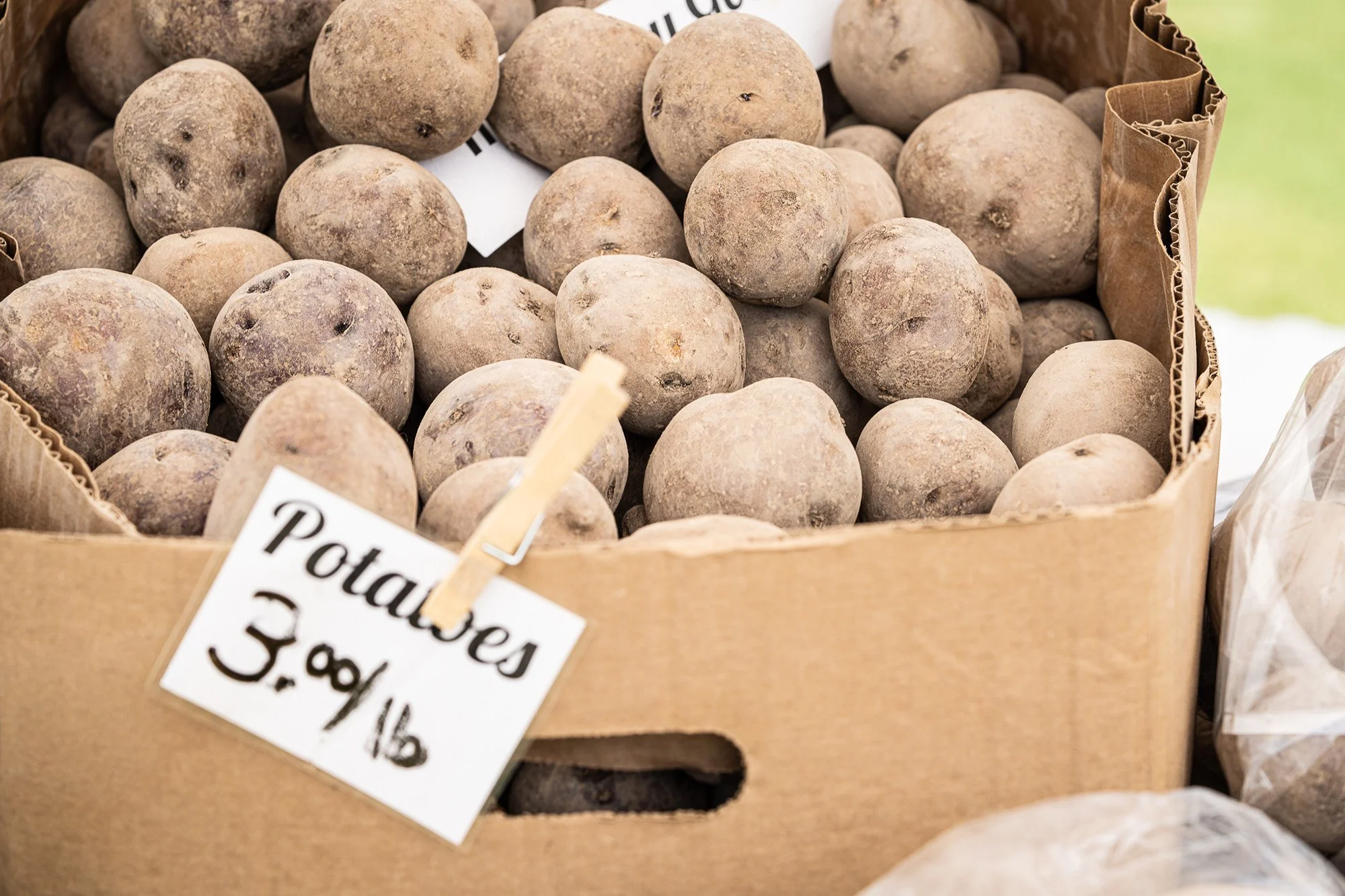
Idaho’s famous potatoes and many other vegetables are storage-ready. In the fall, farmers often have bulk sales on potatoes, onions, winter squash, carrots, beets, garlic, and cabbage. These can be stored in a cool, dark, well-ventilated area and last for months. Farmer Tip: an insulated cooler in a garage or basement can substitute for a traditional root cellar.
Freeze the Harvest
Berries, corn, tomatoes, and peppers all freeze well and can bring bright fresh flavors to winter meals. To make your frozen fruits and veggies easier to use, freeze them on trays first and then transfer them to bags.
Dry the Harvest
Dehydrating can be done at home in several different ways, even if you don’t have a dehydrator. This can be an especially great method to try for making outdoor adventure snacks, like dried fruit. Mushrooms, herbs, and hot peppers are great beginner choices. They can be dried in the sun. You can also use your oven at a low temperature (around 150 degrees F) to dehydrate apples, pears, and other fruits.
Ferment the Harvest
Ferments like sauerkraut, kimchi, and pickles are a welcome pop of flavor and nutrition in the winter months. A simple sauerkraut with cabbage and salt is a good place to start.
Can the Harvest
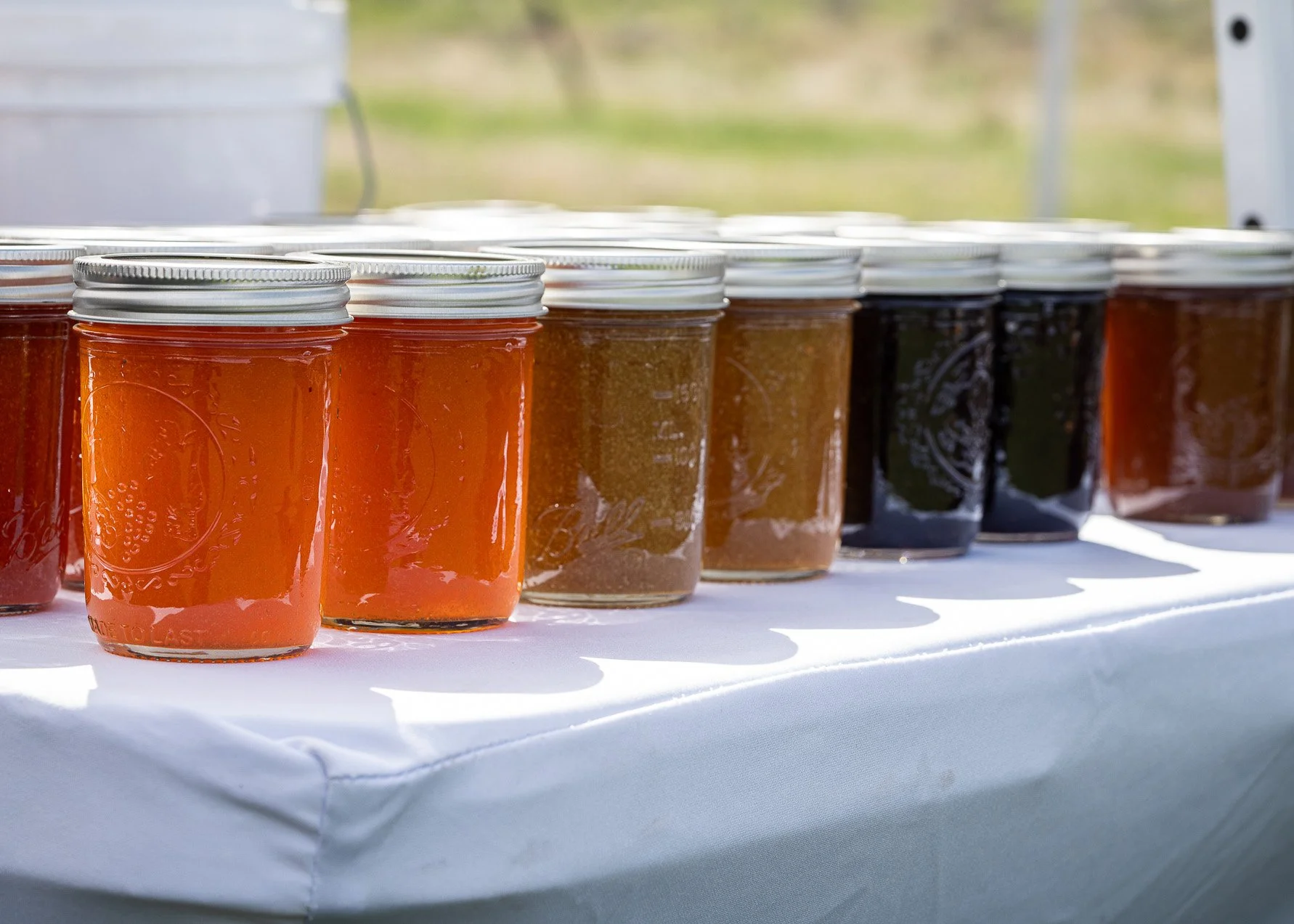
Canning takes knowledge and attention to detail, but the options for what you can preserve are almost endless. Green beans, pickled beets, carrots, corn, asparagus, tomatoes, pumpkin puree, berries, peaches, cucumbers. You get the idea! Start learning to can using the comprehensive guide on the USDA website.
Eating locally throughout winter doesn’t happen by accident. It takes planning. But when we buy in bulk, preserve together, and support our farmers beyond their peak season, we build a food system that feeds and nurtures our community all year long.